
On this Veterans Day, MSP Success would like to recognize and thank all the military veterans in the MSP industry.
Across the managed services industry, one challenge remains constant: finding and keeping qualified people. From technicians to cybersecurity specialists to sales engineers, MSPs need the right hires to grow their business and provide exceptional service delivery. But there’s a talent source to tap into that’s already proven to succeed in this field—America’s veterans.
When a system goes down in a combat zone, there’s no helpdesk ticket sitting in a queue. When leadership falters, people notice immediately. And when someone commits to a mission, failure isn’t an option. These instincts, forged through military service, mirror the same resilience, teamwork, and accountability that define successful managed service providers.
Veteran-owned and -led MSPs across the country are living proof of that connection. Their success stories demonstrate how military discipline, strategic thinking, and technical adaptability translate directly into business performance. With roughly 200,000 service members transitioning to civilian life each year, according to the Center for a New American Security—many equipped with advanced technical and leadership training—the opportunity is clear. For veterans seeking meaningful careers and MSPs struggling to recruit and retain top talent, it’s a match made in mission readiness.
A Foundation of Transferable Skills
Military members receive extensive education in how to manage people in large organizations, with a focus on team building and executing unified missions. Travis Mack has found that invaluable as CEO of Valeo Networks, which employs vets. Mack himself had served as a Navy Personnelman, a human resources and career advising role. He eventually transitioned to a more legal-related role, responsible for having “the very tough conversations” with soldiers whose military careers weren’t working out. It’s handy experience for an MSP/MSSP founder using acquisitions as a growth strategy.
”All the leadership training that I received has been invaluable as I’ve tried to grow an IT firm and put the right people in the right spots in order to be successful,” Mack says.
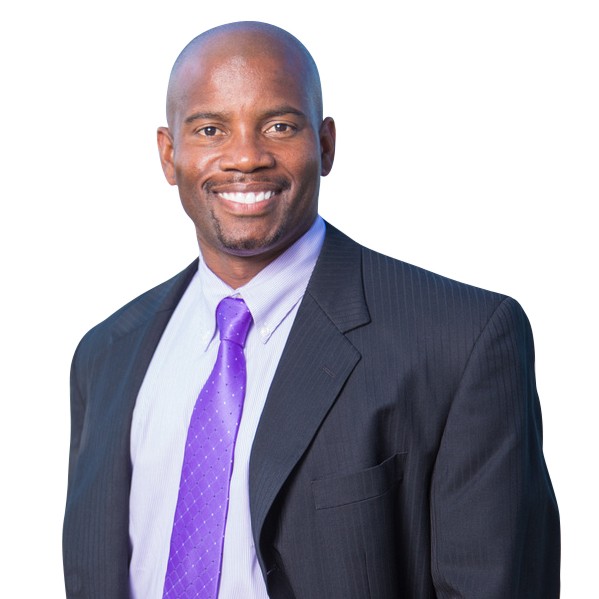
Ikram Mansori, COO at VetsInTech, also witnessed this transition firsthand, both as a veteran and as someone now helping thousands make the leap. (VetInTech is a nonprofit organization that connects military vets and their spouses to the tech ecosystem through education, employment and entrepreneurship.) After retiring from the Army and working for the National Security Agency, she moved into the private sector at Twitter, applying those same intelligence analysis skills to catching bad actors on social media.
Look Beyond IT Credentials
But skills don’t have to be one-to-one equivalent to be transferable.
A less direct path was equally relevant for TJ Dalton, CEO of Operation Technology Group in Burlington, Kentucky, and a 2025 MSP Titans of the Industry finalist in the Veteran-Owned/Led category. A diesel mechanic and recovery operator in the Army, he had initially felt nervous about taking vehicles apart until a mentor told him, “It’s just nuts and bolts. Stop stressing over it.”
He later applied that advice to calm fears about messing up people’s computers “Yes, it’s got circuit boards. Yes, you’re adding a little different hardware, but as long as you understand that you can’t work on this stuff while it’s running, it’s no different than a car,” he says. The mechanical troubleshooting process—diagnose the problem, identify the failed component, replace it, test the system—translates almost perfectly to IT support.
The challenge, Mansori says, is helping veterans recognize how their military technical experience translates to civilian roles. For MSPs who are hiring, this means looking beyond conventional IT credentials when evaluating veteran candidates. Someone who maintained communications systems in the field, managed logistics databases, or troubleshot radar equipment has transferable skills, even if they lack civilian IT certifications.
Related: See the full list of 2025 MSP Titans of the Industry finalists in the Veteran-Owned/Led category.
The Execution Mindset
Vets will tell you military service creates a particular kind of resilience. “Working under pressure, when businesses are down and owners are frustrated, it’s nothing compared to bombs blowing up, mortar rounds going off, gunfire,” Dalton says. “I could deal with you complaining over what I’ve dealt with in the past.”
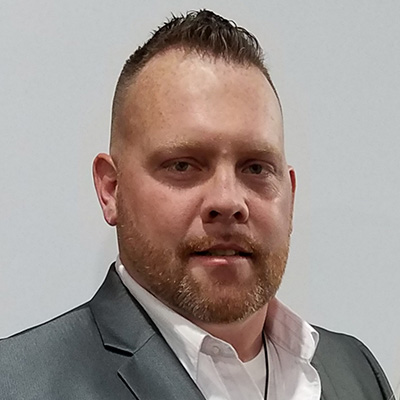
After returning from Iraq, where he’d been hit by an IED during his 14-month deployment, Dalton struggled to find his footing. He worked as a garbage collector, but the job was a poor fit. One day, he defied company policy and fixed a broken laptop he’d found in the trash, with some guidance from an uncle.
“I was so impressed with myself fixing that, that’s what kicked everything else off, going to college [for IT] and starting a business,” Dalton says. It was a lot like deployment. “It was pretty much sink or swim. You have to do everything that you possibly can to make it happen. You always have to stay alert… My goal is to do my job to the best of my ability, and get home.”
Finding Balanced Structure
At the same time, the structure that builds so many skills and capacities in veterans is often difficult to leave behind.
“The way that the military operates versus the way civilian organizations operate are in some cases night and day,” Mack says. The military provides highly structured approaches with documented procedures for nearly everything. Civilian businesses, especially small MSPs, often lack that formal maturity. But employers can address this challenge through intentional onboarding and creating frameworks that might even strengthen the business.
Make no mistake, says Dalton: “Vets are not wanting their hand held. Just give me a task, let me get it done to the best of my ability, and if it’s good enough for you, great. If it’s not, tell me what I could do to be better.”
The key is giving clear expectations upfront and then trusting veterans to execute.
“I don’t have to worry about veterans showing up or saying, ‘Hey, it’s five o’clock, I’ve got to go,’” says Mack. “Once military members have bought into what the mission is, it’s about, ‘Hey how do we achieve that and what’s the best approach?’”
In exchange for their dedication, vets expect to be heard. They don’t need to be right every time, but they need to know their perspective matters.
Tapping into Veteran Talent
For MSPs looking to tap into veteran talent, several organizations are eager to help. VetsInTech maintains partnerships and meetups with dozens of companies. Mack recommends engaging with Transition Assistance Programs (TAP) at military bases, connecting with personnel offices that maintain lists of exiting service members, and reaching out to Morale, Welfare, and Recreation (MWR) organizations. It’s important to be intentional about reaching out to these programs rather than waiting for candidates to find you.
Both sides need to start early. Failing to plan far enough ahead is the biggest mistake veterans make, say Mack and Mansori. Research shows approximately 80% of transitioning veterans exit with no solid plan. That can lead to a difficult 12-month adjustment period that can contribute to financial struggles and other challenges.
Mack says he waited too long—just six months before discharge—to plan for post-military life. Ideally, service members should start planning at least 12 to 24 months before leaving the military. They should take online courses to explore interests and earn valuable certifications, and build networks well before their discharge date.
Overcoming Challenges for Employers and Employees

Even as society becomes better educated about mental and emotional challenges that can come with the end of military service, there are lingering misconceptions about what that means in the workplace. Mansori had to educate recruiter friends concerned about working with or managing vets who might have PTSD (post traumatic stress disorder).
When they said, “I wish every veteran was like you,” she replied, “Well, I do have PTSD. But those things do not define me. If anything, they help me. They help shape who I am today.”
Dalton employs vets frequently, and says it’s important to learn, listen, and understand their unique challenges. But the workplace doesn’t need to become a therapy office. Rather than try to solve people’s problems or allow performance to slide, he helps them get appropriate support outside of work.
Cost is another practical barrier MSPs can help address. Many certifications valuable in the IT world come with exam fees that can be prohibitive for veterans transitioning on limited budgets. MSPs looking to attract veteran talent might consider offering to cover certification costs as part of their recruiting package. Or they could partner with organizations like VetsInTech that already provide this support.
The Mission Continues
The same instincts that once safeguarded people and assets in the field now drive military veterans working in MSP businesses to defend networks, secure data, and maintain uptime under pressure for their clients. In a world where cyberthreats are constant and reliability defines reputation, veterans in MSP businesses are proving that the principles forged in military service—discipline, readiness, and a steadfast commitment to others—remain the ultimate defense.