MSPs everywhere are struggling to recruit new staff. According to the 2024 CompTIA industry report, 52% of MSP companies say they are experiencing a workforce shortage, especially when it comes to cybersecurity experts and technicians. So, when hiring gets tough, how can you make your MSP stand out to potential new hires? Creating a great company culture.
Arnie Malham, founder of cj Advertising and Legal Intake Professionals, understands how hard it is to hire—especially when you work in a very specific niche, in a very specific industry. Malham’s companies focused on advertising for personal injury attorneys, which wasn’t the most attractive job for talented advertising professionals.
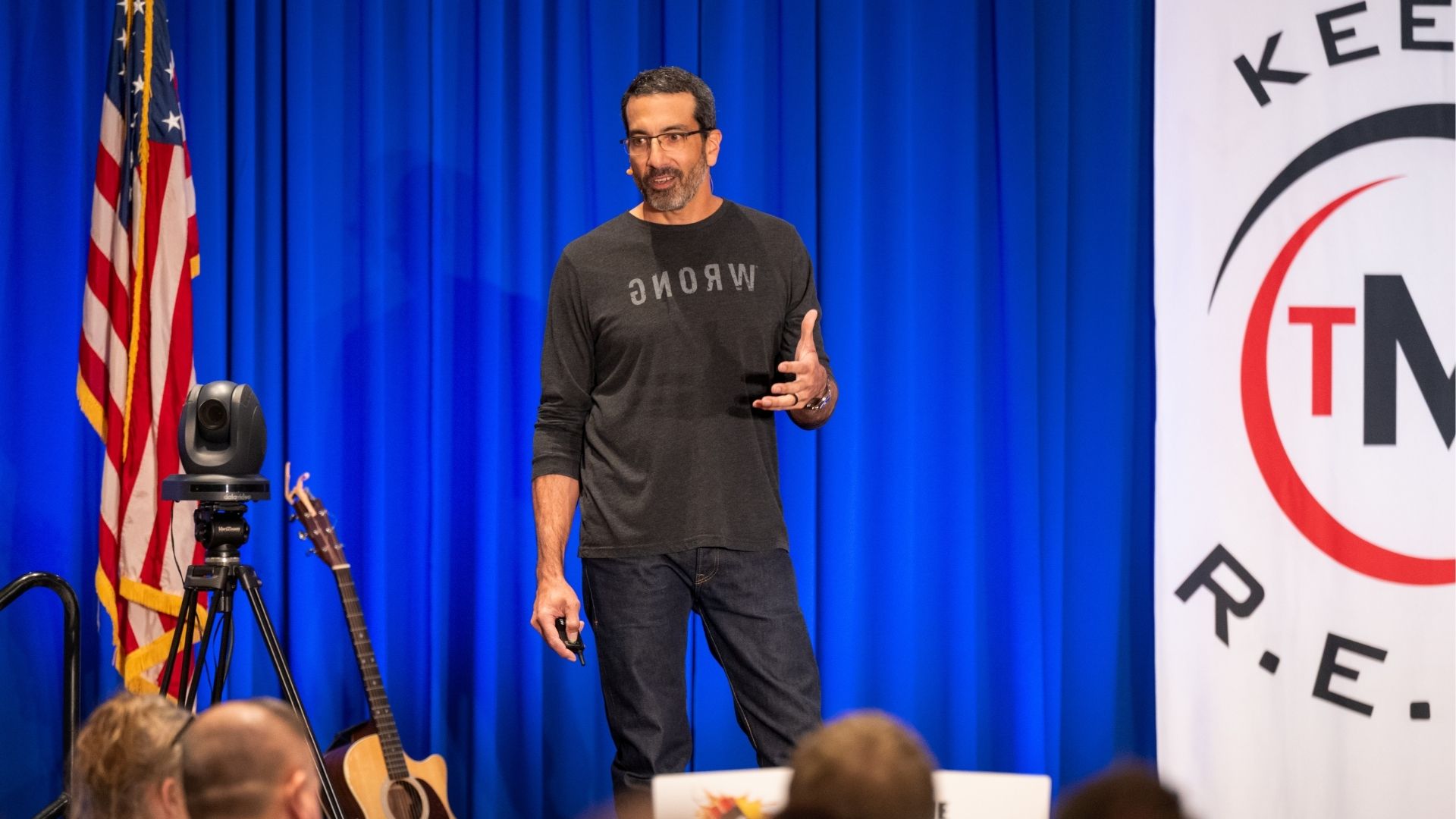
“I had a business where recruiting was really hard,” Malham explained to attendees of TMT’s Q1 Producers Club meeting. “So, creating a culture that gave people a reason to be at work was part of how we grew our business.”
According to Malham, the key to growing your business, retaining your top employees, and making your company stand out in the crowd is creating a sustainable and remarkable company culture. He shares the initiatives he built to create a company culture that not only increased employee retention but created a workplace where his employees wanted to work.
Culture Reflects Leadership
“I spent years believing that the problem was my people. If only they understood. If they just came with a better attitude. If they just showed up when they were supposed to. It was all their fault.”
For ten years, Malham pushed against the idea that company culture rested on his shoulders. He blamed everyone from his employees, to customers, to the market. What he quickly learned was that you need to get your company culture right to get the right people to grow your business.
Successful companies put culture first. Successful companies know that hiring new employees repeatedly is expensive. They know that nothing compares to retaining the team that helped your business become successful in the first place. Successful companies know that culture reflects leadership.
“The bad news for everybody in this room is you are leadership,” Malham said. “The culture you have right now, the one that exists right now in your company, is the one you absolutely deserve, and there is no way around it.”
If you don’t like coming to work, then you can’t expect your team to like coming to work.
The Concept of “Camel” Culture
According to Malham, step one in creating a great company culture is to give it a name. Naming your culture makes it tangible, and in some cases, gives it a face. Malham’s company, for example, called their culture Camel Culture.
Camel Culture is a combination of programs such as profit sharing, a dog-friendly office, Better Book Club, tenure letterman jackets, and more. But it isn’t one single program that makes a company culture; it is the collection of programs. It is what makes a company unique, while also giving everyone a part in keeping the programs running. It holds the team accountable for keeping the culture alive.
Three Rules for Culture to Work
1. Top-Down Support
No matter what the culture program is, if you want it to succeed, it has to be supported by you, the leader. Leadership must participate in the programs they want their teammates to.
2. Patience
According to Malham, it takes approximately nine months to onboard a company culture program. You have to be patient and commit to the timeline, even if the program doesn’t seem like it’s working early on.
3. A Champion and a Checklist
Every program needs a champion with a checklist to run smoothly. Running these programs, the champions get to showcase what they can do, which allows them to interact with peers in the company they may not work with regularly.
Company Culture Programs You Can Implement
“I’m not asking you to go out and do the things we did specifically. What I’m asking you to do is think about how the ideas I’m shar[ing] with you can help your business be a better culture, a better environment, attract and retain better talent,” said Malham.
Better Book Club
Instead of forcing your employees to read the same book, incentivize them by paying them to read a book from the company library. This builds a habit of reading for personal and career growth.
“Your last book is not their next read. Their next book is what they want to read, and we help them choose that through Better Book Club.”
Recognition & Reward
Monthly all-hands meetings can be less about companywide announcements and more about recognizing the achievements of team members. At cj Advertising, team members who were recognized got to choose an envelope, which held an amount between $10 and $100 as their reward. This shows employees that their work is valued.
Tenure Milestones
Great company culture means retaining employees. At cj Advertising, a 5-year tenure awarded a letterman’s jacket, while a 10-year tenure awarded a Rolex or a personalized gift. These gifts aren’t just perks; they show how cj Advertising values company loyalty. While these gifts may be out of your company budget, you can implement a similar program at your MSP with valued gifts, or by celebrating with smaller gifts more frequently than every five years.
Birthdays and Family
Instead of bringing in a cake for everyone on their birthday, make employees feel special with a $50 gift card they can use anywhere they like. Malham took birthday celebrations to the next level by including the employees’ families. Family members would also receive a gift card, so they could all celebrate that special day together.
Morale Surveys
Directly asking employees to rank their morale might seem like a terrible idea. However, after Malham began using morale surveys to gauge how his employees were feeling, he noticed that when he addressed issues, morale went up. And when morale went up, customer ratings went up. Happy employees mean happy customers.
Company Culture is Crucial
“This is the lesson I had to learn. I was doing it wrong. I was trying to make people do stuff. I was begging them to see what I saw, as opposed to leading them there.”
Over 20 years, Malham grew his companies despite working in an undesirable niche industry. He hired and retained talented people who were happy to come into the office day after day. In the end, cj Advertising had an average tenure of between nine and ten years. Most call centers have a tenure of about six months. Malham’s call center had a tenure of a year and a half. Those numbers weren’t just good culture.
Implementing your own unique company culture programs at your MSP can help you attract talent, retain employees, and improve your customer experience. As Malham put it, “it took 20 years to create that overnight success.” The culture you build from here is entirely up to you.
To learn more about how MSPs can gain an advantage in hiring, check out our series on How MSPs Can Use AI to Recruit Fast and Hire Right, parts 1-3 now live on MSPSuccess.com.