


Talk Influence: Why MSPs Should Take the Mic


Fear of public speaking is one of the most common phobias, ahead of heights, spiders, even death.
Yet public speaking is also one of the best ways to connect with prospects in your target market, establish yourself as an authority, and turn your MSP business into an influencer.
“When you stand on the stage and you help people, they want to do business with you,” says Dave Rendall, keynote speaker, author, and educator.
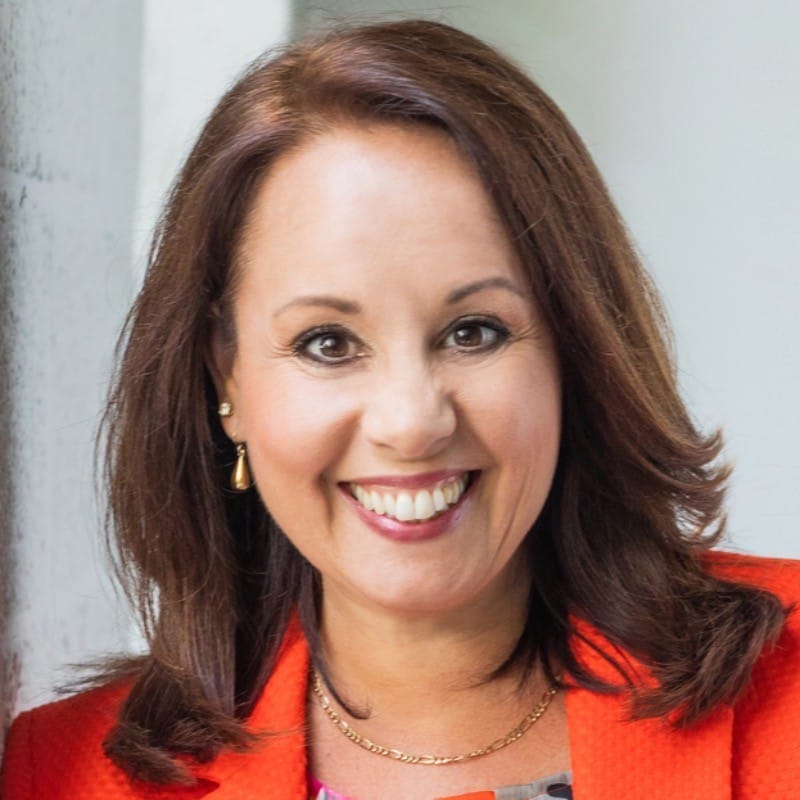
“Human nature is to connect with other humans, and there’s nothing more beautiful than getting up on that stage, presenting, and establishing why you are the IT provider for that audience,” says Lisa Shorr, co-owner of Secure Future Tech Solutions, an MSP in Warwick, Rhode Island, and owner of Shorr Success, a personal and corporate branding consultancy. “This is probably the best tool for generating brand awareness, trust, relationship building, and establishing expertise and credibility within an industry.”
So take a deep breath, put your stage fright aside, and follow these tips for getting on the speaking circuit.
Building Up Your Skills
Early in his engineering career in corporate America, Corey Kirkendoll saw that the ability to present was key to being an influencer. “So I learned,” says Kirkendoll, CEO of Plano, Texas-based 5K Technical Services and a frequent speaker at both channel events and industry association events. “I took classes—any public speaking class I could.”
For Seana Fippin, founder and CEO of Red Box Business Solutions, an MSP in Brentwood, California, joining her local Rotary International chapter, and later serving as president, “lit the fire under me for public speaking. I had to really get smart on public speaking because they’re very serious about service in this club.” She started by reading The Quick and Easy Way to Effective Speaking by Dale Carnegie.
Shorr was looking for a better way to connect with clients, so she wrote a workshop on cybersecurity and started giving webinars and then later, lunch and learns. Then she branched out to rotary clubs, local chambers of commerce, and industry association meetings. “What I would suggest are first do a webinar and see what kind of response you get, but also it allows you to practice your material,” she says. “Be a podcast guest because that helps to practice your speaking.”
Similarly, Kirkendoll says he got started by putting together abstracts for topics conferences were looking for, practicing on webinars, and building up his reels so event managers can see how he speaks.
Getting on the Speaking Circuit
Start by targeting your audience. Whether you serve law firms, automobile dealers, building management, worship organizations, or some other vertical, join industry associations and seek out member meetings and conferences.
“We want to be where their members are and we’re seen as that authority because not only do we understand their pains and struggles, we’re also in the trenches with them,” Kirkendoll says.
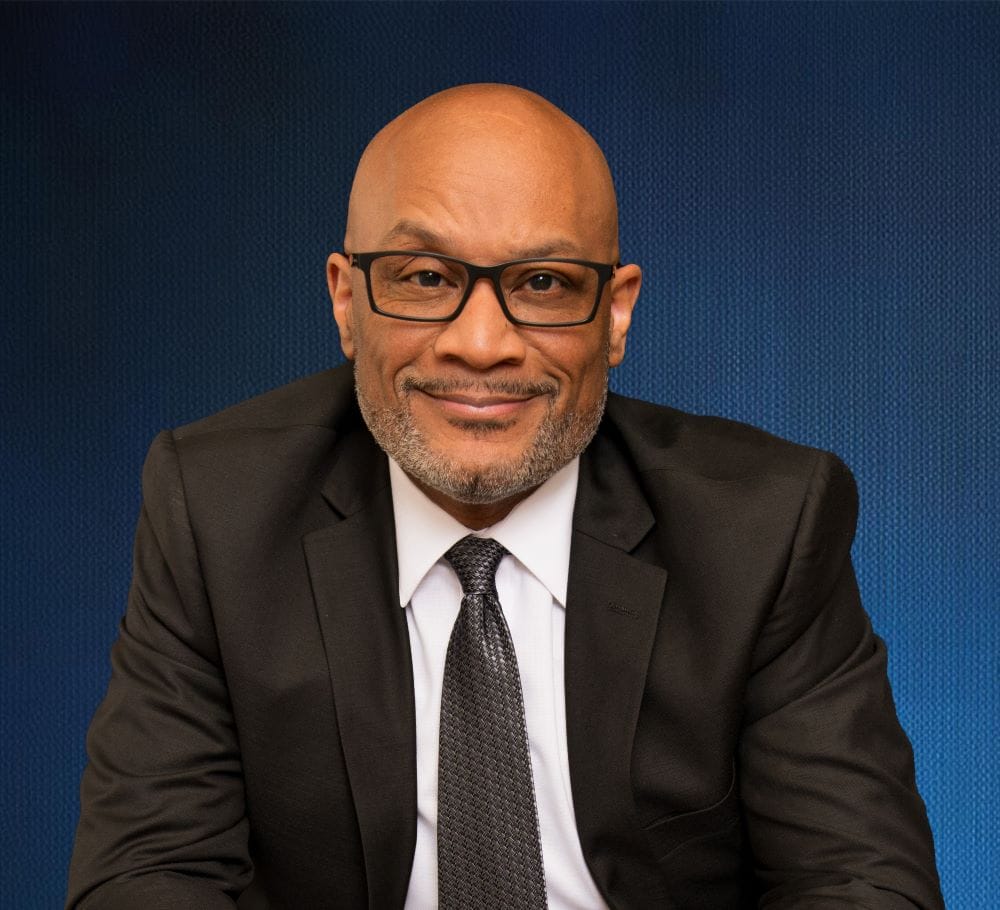
Many of those professionals need continuing education credits, he adds, “so they’re looking for an authority.” At one Building Owners and Managers Association (BOMA) event, he presented on how AI works in building operations and management. “Then I get a chance to have access to 250 people that were potential clients in the room,” Kirkendoll says.
For the industry organizations you belong to, “always, always ask to speak, not just sponsor the event and have a table,” recommends Shorr.
Typically, industry conferences and events put out a call for papers or call for submissions. When you submit, Shorr says, be mindful of the deadlines and get to know who the event managers are. “There’s always a committee who helps to determine what topics get selected and you want to make sure that you’re tailoring that description to that audience,” she says.
Shorr adds, “It’s important to really think about what you want to say, who you want to say it to. Take that time, just like preparing for a cloud migration for a client. You spend time researching the network, putting together a plan, discussing it with your service delivery team, and then discussing it with clients. You want to take that same kind of methodology with public speaking.”
Fippin agrees. “Knowing your audience as intimately as possible is key. I want to study the associations or organizations or leaders that I’m speaking to and what matters to them, what moves them, what impacts them, what is the best value for them content wise. And make sure that value is reaching the majority of the audience.”
Putting Together Your Presentation
Once you nail down a speaking engagement, Rendall recommends following a QQSS formula for your content: quotes, questions, stories, and statistics. “You ask people questions. Share quotes for credibility. Tell stories. And then you use statistics for the people who are skeptical that your story was just an anecdote,” Rendall says.
Create your PowerPoint slides with four or five bullet points in mind that you want to cover, Shorr adds, preferably more visual than text-heavy. Then she recommends practicing in front of a sounding board, such as your peer accountability group or during a staff meeting.
Know your material, but don’t memorize it word for word, advises Fippin, who sometimes practices in a mirror to get a feel for what is and isn’t working. “I try to have a couple key highlights and notes that I’m remembering and then telling stories and anecdotes.” She follows Rendall’s QQSS formula.
“Practice, practice, practice, and then just be yourself,” Kirkendoll says. “Don’t be robotic about it. I like to tell jokes. I like to have a conversation. Tell a story.”
And most important, teach, don’t sell. “When you’re on stage, it’s not about promoting our business; it’s about educating them on the topic and proving myself as the expert in that topic,” Kirkendoll says.
You do want to encourage attendees to seek you out for questions later, whether you have a booth at the event or not. Also, Shorr advises ending your session with an action item. This may be “downloading a free report or filling out a form to get a free network assessment. There’s a variety of things you can offer at the end that’s not necessarily selling, but more lead generation.”
The Compound Effect
Getting on to the speaking circuit takes work, Kirkendoll acknowledges. However, he’s found that now organizations seek him out, often paying a speaking fee and covering travel. Plus, he says, “We probably added one or two clients from any speaking engagement we’ve done.”
Fippin says speaking has an exponential effect too. “You do one event and then you can share that on social media so you can further educate your audience. So you get that additional layer of engagement, but then you get asked to do another event or to bring value here or whatever it is. It definitely has been very beneficial all the way around.”
Start Building Your Authority and Credibility
Even if you don’t love speaking, the ROI on doing so is hard to beat. “Once you start doing multiple presentations, it does get easier,” Shorr says. “You don’t have to love it. But what an amazing tool to building credibility and [establishing] that expertise in your industry.”
Speaking helps you develop your personal brand, too, which in turn enhances your business’s brand. Kirkendoll says the reaction from the audience has become, “I love to work with 5K because I’m going to get Corey and all the expertise that comes along with it. They see the work I do in the channel and [think] this guy’s obviously an influencer.”
Fippin encourages all her peers to give it a try. “Like Nike says, just do it, because it’s a great tool for new client acquisition and professional development. I’m not any better at it than anybody else. But a lot of people just are not as willing to risk it and jump in and give it a shot.”
For some public speaking do’s and don’ts, plus resources to get you started on the speaking circuit, go here.

Power Your MSP Success with the Kaseya Community
Get fast answers, share product ideas, access exclusive resources, stay current on Kaseya product innovations, and connect with MSP peers.
2026 Kaseya State of the MSP Report
Get 2026 MSP insights from 1,000 plus providers and learn how to grow revenue, adapt to market pressure, and stay competitive.

Get More MSP Insights
Join 50,000+ MSP professionals receiving expert insights, best practices, and industry trends.