


Helping clients prepare for disaster without scaring them


When people hear “disaster preparedness,” selective hearing often kicks in. They skip right over preparedness and head straight for the word disaster. Suddenly, the conversation shifts into something that feels urgent and alarming.
Redirecting that focus toward preparedness is exactly where MSPs can help. Reliable data backups and a recovery plan can be put in place long before they’re ever needed. So can an emergency communication strategy. None of them require a disaster to set up, just the willingness to start.
The challenge is one most MSPs know well: how do you bring up what could go wrong? And how do you do it without receiving that wide-eyed, “uh-oh, where is this going?” look?
Take the sales pitch out of the discussion
The answer, according to MSPs who have figured it out, starts with leaving the sales mentality at the door.
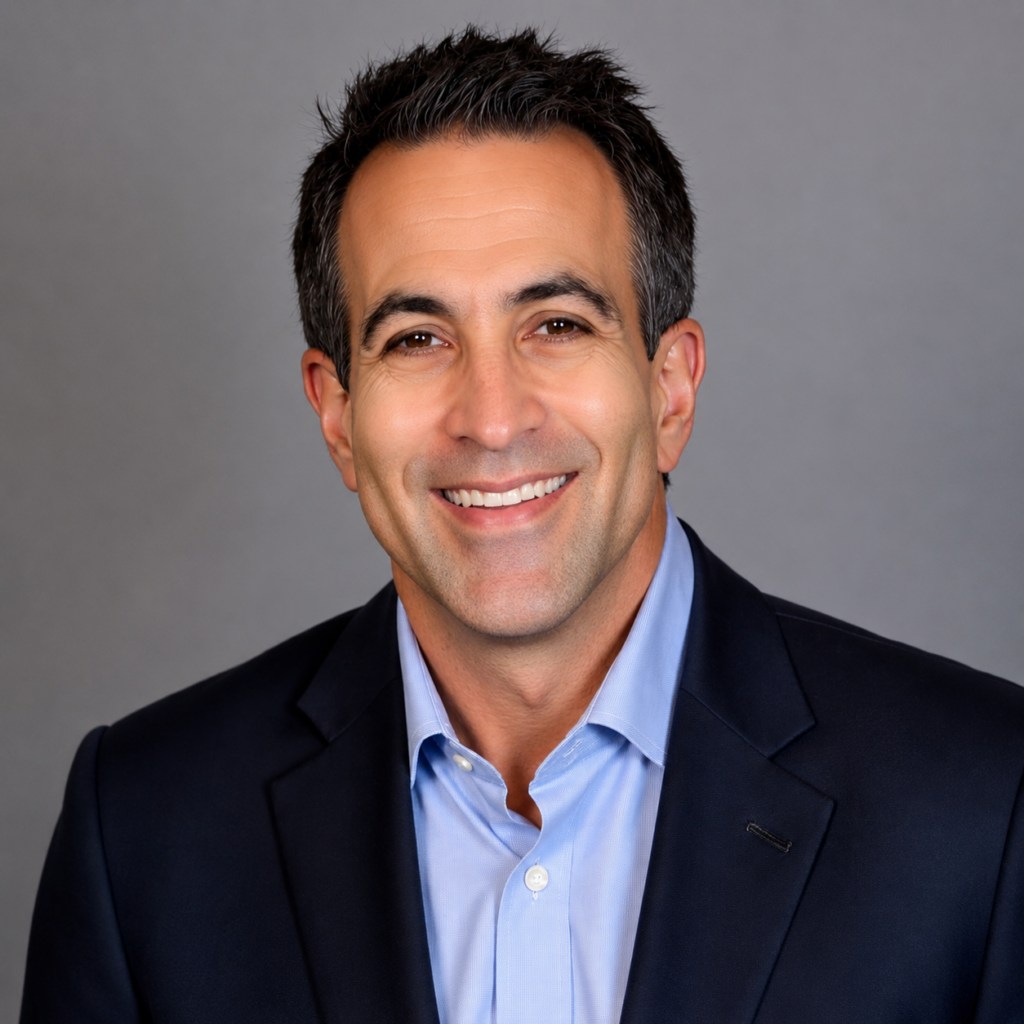
CEO, Vitalpoints IT Services
Michael Glasman, CEO of Vitalpoints IT Services, leads with clarity instead of urgency. Before running an MSP, Glasman built his career in direct and indirect IT sales, working for several major companies. That experience taught him the difference between pitching and helping a client think.
“I don’t approach disaster preparedness as a sales conversation,” Glasman said. “My role is to lay out the landscape in clear business terms. I explain the risks and options first, in order to help the client make an informed decision about what is appropriate for their organization,” he said.

CEO, CNS Data, Inc.
Ari Spilman, CEO of CNS Data, Inc., takes a similar business-first approach. He recommends returning to the foundational questions MSPs ask at the start of any client relationship: How does the business make money? Which applications are most critical? How does its sales process work? How are its finances managed?
Spilman also advises MSPs to resist filling every silence. A pause often means the client is absorbing what they’ve just heard and giving them a moment to think is part of the conversation, not a gap to close.
Not all disasters make the news
One assumption that can derail these conversations early is that clients hear “disaster” and immediately picture a flooded building or a storm-damaged office. The reality is far broader than that.
Disasters come in all shapes and sizes. A cyberattack, a prolonged power outage, a key vendor going dark, a sudden loss of critical staff: any of these can bring a business to a halt just as effectively as a natural disaster. And unlike a flooded building, the damage isn’t always something you can see or point to.
That’s an important distinction to help clients understand early. The disruption may be invisible, but its impact on revenue, operations and reputation is very real. Framing it that way can shift the conversation from worst-case imagery to something more grounded: what would it cost this business to go down, and for how long?
We’ll never forget what we never saw coming
Sometimes the most effective way to make preparedness feel relevant is to point to something every client has already lived through.
Glasman uses COVID deliberately, asking clients to think back to how prepared they actually were when everything changed almost overnight; what worked, what didn’t and how they adapted.
“In most cases, the answer is that they weren’t fully prepared, because almost no one was,” Glasman said.
That shared experience gives MSPs a natural opening to turn hindsight into planning:
- What do clients wish they had been better prepared for?
- Knowing what they know now, what would they do differently?
- What would they want to have ready if something unexpected happened again?
Spilman brings the discussion even closer to daily operations by asking how long the business could be down before revenue is affected and how important its reputation is to its success.
Those kinds of questions reframe past disruptions from bad memories to useful data.
Ditch the tech talk
Even when clients are engaged, the conversation can lose them quickly if it veers too technical. Backup architecture and recovery time objectives mean little to someone focused on making payroll. What resonates is what they already know: how their own business runs.
A few practical questions can bring that into focus:
- How will employees know what they’re supposed to do?
- How will the business communicate with customers?
- Which parts of the business absolutely cannot stop?
These questions make preparedness about something every client already cares about: keeping the business running and its people informed.
Make the risk relatable, not scary
There’s a difference between making risk feel real and making it feel frightening. The MSPs who navigate these conversations well, know how to do one without the other.
For example, Glasman may bring up an outage, cyber incident or system failure that another organization experienced and walk through the impact.
“That makes the risk real and relatable rather than theoretical,” Glasman said.
Spilman starts even closer to home. Rather than waiting for a major incident to illustrate the point, he looks for a smaller disruption the client has already lived through. When an employee lost two hours of work due to a support issue, he would ask what would happen if those two hours stretched into several days.
That’s a question the client can actually answer, because they remember what two hours felt like. From there, the MSP can help them think through what a longer disruption could mean for payroll, employees, customers or revenue. No scare tactics required.
Clients are paying for your judgment, not just your tools
Clients hire an MSP for more than keeping systems online. They’re relying on an MSP’s experience to surface what they should be thinking about, including risks that may not be on their radar yet.
Glasman believes that includes making clear recommendations when a client is exposed.
“It is our responsibility to make clear recommendations and explain why they matter,” he said. “If we know a client is exposed and avoid a candid conversation because we are worried about sounding like we are selling, we are ultimately doing that client a disservice.”
Spilman recommends presenting options with clear business stakes attached. If one path means days of downtime and another gets the business back up far sooner, the client can weigh the cost against what that downtime could mean to the business. The decision stays theirs, but they’re making it with full information.
When fear is no longer a factor
These may never be the easiest conversations to have with clients but avoiding them doesn’t make the potential disruption go away. With September being National Preparedness Month, MSPs have a natural and timely reason to bring the subject to the table before there’s an actual emergency to deal with.
The goal isn’t to convince clients that something bad is going to happen. It’s to help them understand what could happen to their business if it does, and what they can do now to lessen the impact.
Getting clients to think about the “what ifs” before they become the “what nows” is how MSPs earn trust that lasts well beyond the next service renewal.
Related: 6 conversations to have with clients before budget season
Power Your MSP Success with the Kaseya Community
Get fast answers, share product ideas, access exclusive resources, stay current on Kaseya product innovations, and connect with MSP peers.
2026 Kaseya State of the MSP Report
Get 2026 MSP insights from 1,000 plus providers and learn how to grow revenue, adapt to market pressure, and stay competitive.

Get More MSP Insights
Join 50,000+ MSP professionals receiving expert insights, best practices, and industry trends.