

Q3 Producers Club: culture and growth


Last week, MSP owners and leaders gathered in Franklin, TN for two days at the Q3 Producers Club—tackling topics like AI strategy, wealth management and team culture through peer sessions, awards and fireside chats with financial advisor Scott Tilley and author Patrick Lencioni.
AI in action: lessons from the field
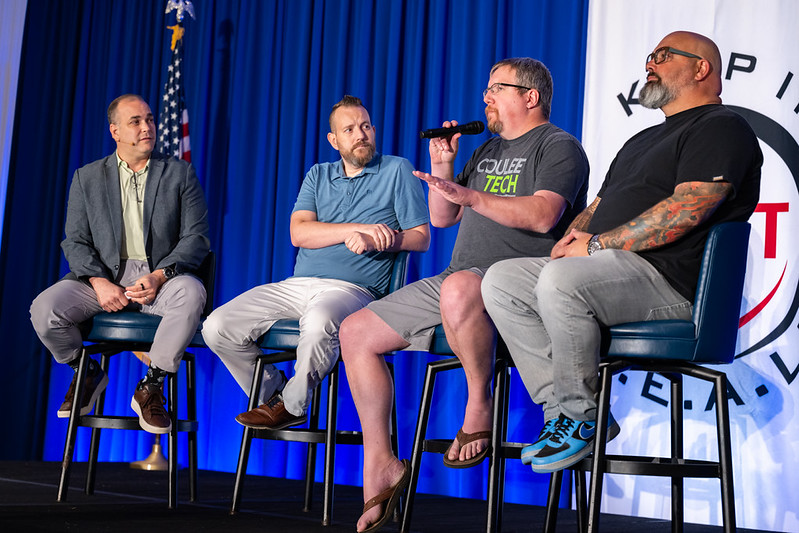
Jay Dixon, Director of MSP Enablement at Kaseya, hosted a panel focused on what MSP owners are doing with AI. The central message: stop waiting for the perfect AI strategy and start putting the technology in front of prospects.
The panelists shared how they are winning new business through education by hosting workshops and webinars with local businesses and organizations. The approach has delivered results, with an average of 30 new clients gained through that outreach alone.
Internally, the impact is just as significant. The panelists have put AI to work on the repetitive, time-consuming tasks that quietly drain capacity, such as ticket routing, KPI reporting, SOP generation and client communication tracking, freeing their teams to focus on higher value work. Some have gone further, building custom AI platforms that keep client data secure and close sales at higher rates.
The bottom line: if you’re not talking to your clients about AI, they’ll find the information elsewhere—and that could cost you.
Wealth management for business owners
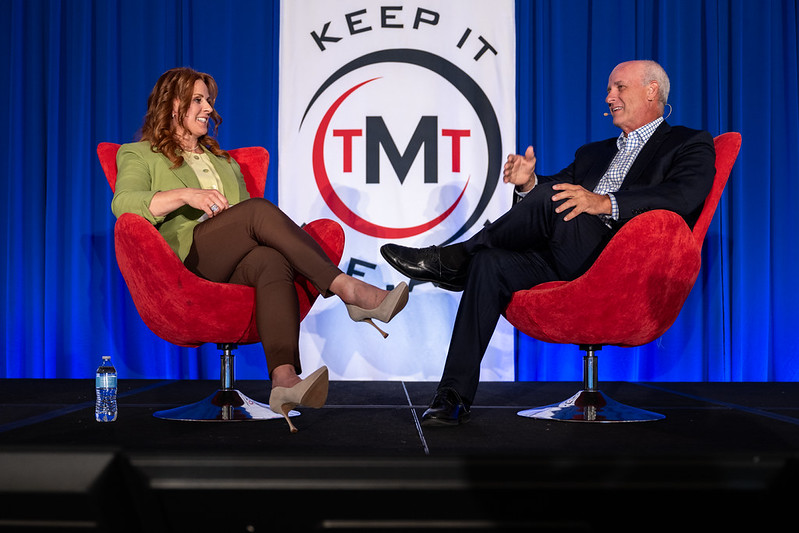
Scott Tilley, a senior financial advisor at Truist with more than 35 years of experience, took the stage for a fireside chat on wealth management—particularly for owners thinking about selling.
Tilley’s advice for anyone coming into a windfall: pause, then find an advisor who prioritizes relationships over flashy track records. On financial freedom, he made the point that it looks different for everyone. His father worked until the day he died and still considered himself financially free; because freedom meant choosing the work he did, not escaping it.
What’s coming in Q4
Dan Tomaszewski, EVP of Channel at Kaseya, previewed significant investments in the member experience heading into the back half of the year.
New to the program is the Producer Success Manager (PSM) role, which will join monthly POD and group meetings to serve as a frontline resource, introduce tools and help escalate any issues. The monthly marketing brief is shifting to a quarterly format to better align with members’ planning cycles.
The highlight was a demo of an AI-powered business dashboard launching in Q4. It features MRR, revenue, profit margins and operational metrics tracking, then benchmark members against other MSPs at similar revenue levels. A built-in AI coach delivers real-time recommendations and integrates with existing accounting and PSA platforms.
The vision: a true data-driven business coach, not just content and community.
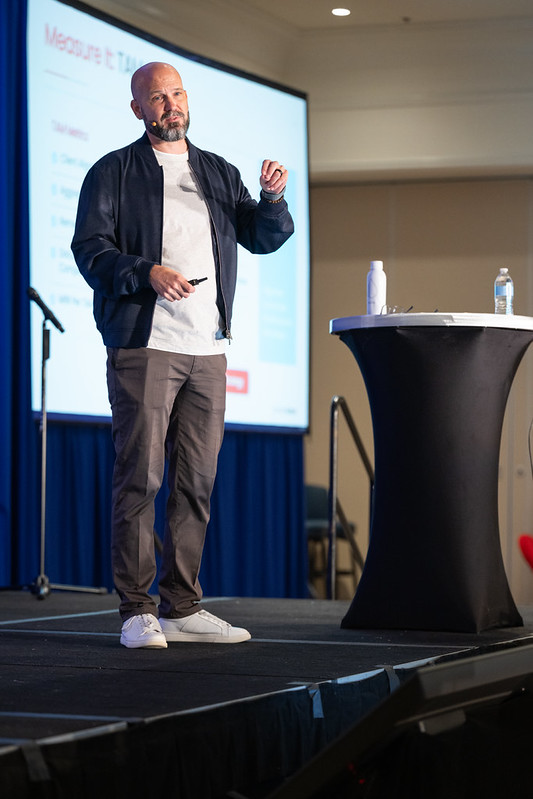
Building an MSP on process
Heath Stover, founder of Burn Ring Labs and a former MSP owner who exited in 2023, was candid about where he started: seven years in, $3 million in revenue, no standards, incorrect pricing, sub-10% margins and constant firefighting. A 2016 breaking point led him to a peer group, a coach and the TruMethods Operational Framework.
The five-pillar flywheel spans the service desk, centralized services, TAM, vCIO and professional services—designed to reduce reactive noise and shift teams toward proactive work. For Stover, it delivered: nearly 3x revenue growth over four years, margins exceeding 20% and reactive hours per endpoint dropping from 0.7 to 0.25.
Culture as a driver of growth
Business coach Doug Diamond took the stage and made the case that culture isn’t a buzzword, it’s a growth driver.
Diamond believes culture is defined by what people do and how they treat each other when you’re not there. Most companies build it by default, ending up with a culture that reflects whoever is at the top.
Over the years, Diamond has found that leaders overestimate the strength of their culture by about six points compared to employee reports, and that adaptability worsens as companies scale.
To help MSPs better understand their company culture, Diamond walked everyone through a live survey covering eight adaptability markers. His closing message was direct: with AI reshaping the industry, adaptability is the competitive edge — and you can’t wish your way into it.
Working Genius with Patrick Lencioni
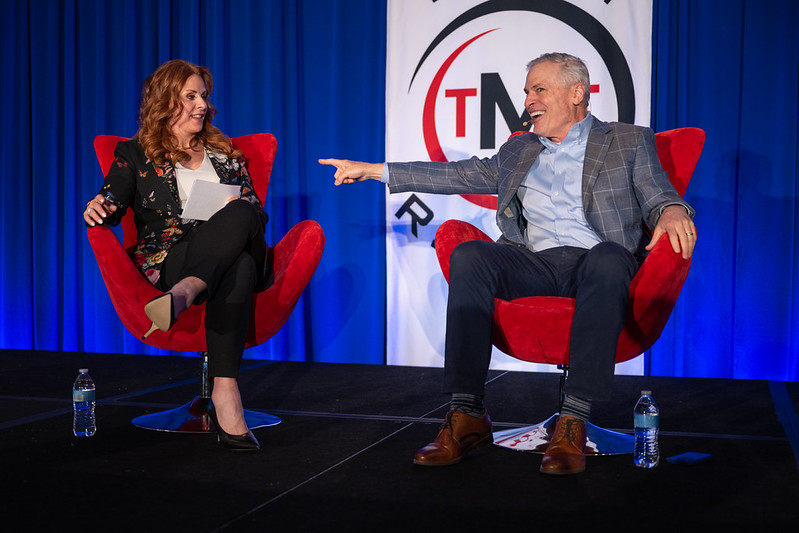
Best-selling author Patrick Lencioni closed out the event with a fireside chat on his Working Genius framework—and one of the most engaged Q&A sessions of the two days.
The conversation started with a simple observation: every project, regardless of industry or setting, requires six distinct types of work.
- Wonder involves asking big questions and sitting with curiosity. Invention is the ability to generate new ideas from scratch.
- Discernment is an instinctive capacity to evaluate ideas and sense whether something will work.
- Galvanizing is the energy that rallies people around a vision and moves a group forward.
- Enablement is a genuine joy in helping others accomplish their goals.
- Tenacity is the drive to finish and the satisfaction of completion.
Each person has two geniuses that energize them, two neutral competencies and two frustrations that deplete them. Most people spend years in their frustration zones without knowing why they feel burned out.
For MSPs, the hiring takeaway was clear: match the genius to the role, not just the resume to the job description. His closing point on AI was sharp; the best defense against automation isn’t technical skills, it’s relationships. Organizations that put people in the right roles and build genuine client trust will have something no algorithm can replicate.
The next Producers Club event takes place February 10–12 in San Diego.
To learn more about the impact of peer groups, read The Power of Peer.

Power Your MSP Success with the Kaseya Community
Get fast answers, share product ideas, access exclusive resources, stay current on Kaseya product innovations, and connect with MSP peers.
2026 Kaseya State of the MSP Report
Get 2026 MSP insights from 1,000 plus providers and learn how to grow revenue, adapt to market pressure, and stay competitive.

Get More MSP Insights
Join 50,000+ MSP professionals receiving expert insights, best practices, and industry trends.