


How to increase margin and MRR without new customers


What if you could grow your MSP’s revenue by 15% a year without signing a single new customer?
One MSP did exactly that for two consecutive years. The company also went from barely making a profit four years ago to operating at a 24% adjusted EBITDA margin today. The secret to their turnaround? Taking a much closer look at the customers already on the books.
Paul Cissel and Kevin Bozung, co-founders of MSP advisory firm Growth Caddie, say many MSP owners overlook opportunities to increase revenue and profits within their current customer base.
There’s money hiding in your current customer base
How much difference can a few underperforming customers really make to your bottom line? Potentially more than you think.
In a hypothetical analysis of 15 MSP customers, Bozung demonstrated how improving the profitability of just three accounts could generate an additional $114,000 in annual profit. Those improvements also raised the MSP’s overall profit margin from 49.1% to 57%.
The example shows how much a few underperforming accounts can cost an MSP, and how much it can gain by fixing them. Increasing margins involves more than simply raising prices. Moving customers to updated service packages, upgrading outdated technology and ensuring rates reflect the level of service provided all contribute.
The goal is to identify which accounts have the greatest potential for improvement and develop a plan to get them there. For customers unwilling to make those changes, ending the relationship may be the better business decision. That’s a tough call when you’ve worked with a customer for years, but continuing to lose money on an account doesn’t help your MSP grow.
Rank your customers by profitability
Customers are then ranked from A, the most profitable, to D, the least profitable. To run the analysis yourself, start with each customer’s monthly revenue, then subtract labor, tools and the technician time spent supporting them. The D accounts are where the earlier fixes matter most: update the package, the technology and the rates, or decide whether the relationship is worth keeping.
Your biggest customers aren’t always your most profitable
A customer paying thousands of dollars a month sounds like a great account to have. But how much does it really cost to support that customer? In some cases, the customers generating the most revenue may actually be costing the business money.
The cost of supporting customers can vary significantly. Outdated technology, special service arrangements and rates negotiated years ago can make an account more expensive to support, cutting into profits.
By the time you factor in labor costs, tools and the time technicians spend putting out fires, that seemingly valuable customer may be generating very little profit.
Too many service options can eat away at profits
Another common profitability problem is having too many variations of your managed services offering. One customer has an old agreement while another gets a discounted package. Someone else has a few extra services thrown in because that’s what was promised when they signed up.
Eventually, your technicians are left trying to figure out which customer gets what. And when they aren’t sure, they may provide the service anyway, whether it’s included in the agreement or not. Those extra hours add up.
Standardize your services to improve margins
Cissel and Bozung recommend simplifying your services around one core offering and a standardized technology stack. That gives technicians a consistent set of tools and services to support. It also reduces confusion, makes onboarding easier and helps control labor costs.
Updating your offering creates another opportunity: approaching existing customers with services that better meet their current needs. For example, changing cybersecurity requirements may mean customers need protections that weren’t included in their original agreements. Rather than simply increasing prices, you can introduce an updated offering that addresses those needs while improving your margins.
Better pricing protects your margins
If it’s been a few years since you last reviewed your pricing, there’s a good chance your costs have increased but your rates haven’t kept pace. Employee salaries, software and other operating expenses continue to rise. Without regular adjustments, those increases gradually chip away at profitability.
Cissel and Bozung recommend building annual price increases into customer agreements rather than waiting until margins become a problem. They also emphasize pricing services based on the value delivered and the risks involved in supporting each customer.
Don’t overlook the opportunity to update current agreements before they expire. A new service offering gives you a reason to revisit the relationship, address changing customer needs and establish pricing that reflects what you’re delivering today.
What a more profitable MSP looks like
Informa’s 2026 MSP 501 survey found that 42% of MSPs have EBITDA margins above 15%, and total revenue growth among respondents was 9.6%. The MSP in this story is at 24% adjusted EBITDA after growing revenue 15% a year.
Improving profitability takes time. Cissel and Bozung recommend a structured process that typically takes 18 to 24 months. It starts with understanding customer profitability, then improving service offerings, testing changes and gradually moving customers into updated agreements.
Customer profitability should also be reviewed at least quarterly so problems don’t go unnoticed. As AI and automation make MSPs more efficient, keep those savings as margin rather than automatically passing them on to customers as discounts.
Make profitability your next growth strategy
For MSP owners focused on growth, acquiring new customers will always matter. But before investing more money in sales and marketing, make sure you’re maximizing the profitability of the customers you already serve.
A few changes to how you price, package and support those customers could mean higher MRR, stronger margins and a more valuable MSP.

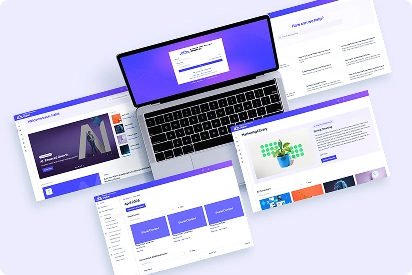
Power Your MSP Success with the Kaseya Community
Get fast answers, share product ideas, access exclusive resources, stay current on Kaseya product innovations, and connect with MSP peers.
2026 Kaseya State of the MSP Report
Get 2026 MSP insights from 1,000 plus providers and learn how to grow revenue, adapt to market pressure, and stay competitive.

Get More MSP Insights
Join 50,000+ MSP professionals receiving expert insights, best practices, and industry trends.