

4 cybersecurity frameworks you should be following


Too often, cybersecurity frameworks are dismissed as just another box to check to meet compliance regulations. This mindset is shortsighted and a missed opportunity. Forward-thinking MSPs recognize cybersecurity frameworks as a powerful tool for growth that not only sets them apart from the competition but also improves client trust.
“Standing out now takes more than broad service claims. Clients have more choices and are more selective. Buyers want proof they can verify,” according to JV Varma, VP of product management at Kaseya.
The MSPs pulling ahead in the market make security posture a core value of their business. They leverage cybersecurity frameworks, such as NIST or CIS, to remain compliant, while also working directly with clients to adopt these frameworks. By providing these services, MSPs position themselves as trusted advisors, especially for businesses that must comply with regulatory requirements.
In a crowded market, prices and features blend into the background. According to the 2026 Kaseya state of the MSP report, 73% of MSPs offer security services. However, only 42% offer regulatory compliance and reporting services.
With 52% of revenue for MSPs coming from security services, working within these frameworks is not only a differentiator, but also an opportunity for business growth. “[When] you adopt these standards, it helps to build that trust with customers. It provides better security outcomes for [them]. Compared to somebody else, it’s a core differentiator,” Varma said.
Choosing the right cybersecurity framework is both a security and a strategic decision.
Understanding the difference between cybersecurity frameworks, standards and regulations
When it comes to cybersecurity and compliance, understanding the differences between frameworks, standards and compliance regulations is essential. Some clients know they must follow specific standards or meet certain compliance requirements depending on their industry. However, these terms are often used interchangeably, and not knowing the difference can be costly for you and your clients.
Cybersecurity frameworks are voluntary, structured guidelines for building and managing a strong security posture. They act as a blueprint for security, telling you what to do and giving you the structure to do it. Flexible and adaptable; frameworks work for any client.
It’s impossible to be knowledgeable in every type of cybersecurity framework. However, by focusing on a specific niche or industry, your MSP will develop expertise to know exactly which frameworks are critical for that industry.
While neither you nor your client is likely to be fined for not following a framework, not adhering to one will leave you and your clients vulnerable to attacks, and in some sectors may cause them to lose business to competitors.
Examples of frameworks include NIST and CIS.
If frameworks are the blueprint, cybersecurity standards are the rules. Standards are specific or highly recommended requirements used within a framework. For example, rules around passwords and data encryption fall under cybersecurity standards. They create consistent baselines and help achieve certain certifications.
These standards carry a lot of weight. For example, PCI DSS standards are created by the PCI Security Standards Council, but enforcement is managed by individual card brands, such as Visa or Mastercard. Generally, penalties range from a fine to banks refusing to work with businesses. In some industries, clients will not work at all with an MSP that doesn’t meet PCI standards.
Examples of standards include ISO 27001 and SOC 2.
While standards are the rules, cybersecurity regulations are the law. These mandates are specific about protecting people’s data and safety. What’s more, regulations can vary across industries.
If a client does not comply with these regulations, they may face heavy fines and penalties. Non-compliance with regulations like HIPAA, for example, oftentimes end up costing MSPs between $150 to $74,000 per record, with a maximum penalty of $2,190,294, making noncompliance extremely costly.
“HIPAA, that’s a different ballgame. Because it’s the law of the land, if you break it, the government will enforce it.” Varma said.
Well-known regulations include HIPAA, which regulates US healthcare information; GDPR, which protects EU personal data; and CMMC, which protects federal contract information and controlled unclassified information for the government.
Common Cybersecurity Frameworks
There are plenty of frameworks MSPs can adhere to, but those looking to grow their business choose one that fits their current client base and business goals. While frameworks are adaptable, each has unique attributes in implementation, certification and scope that can be viewed as positives or negatives depending on your goals. The right choice is about strategic fit. According to Varma, these four cybersecurity frameworks are critical for growth-focused MSPs to understand.
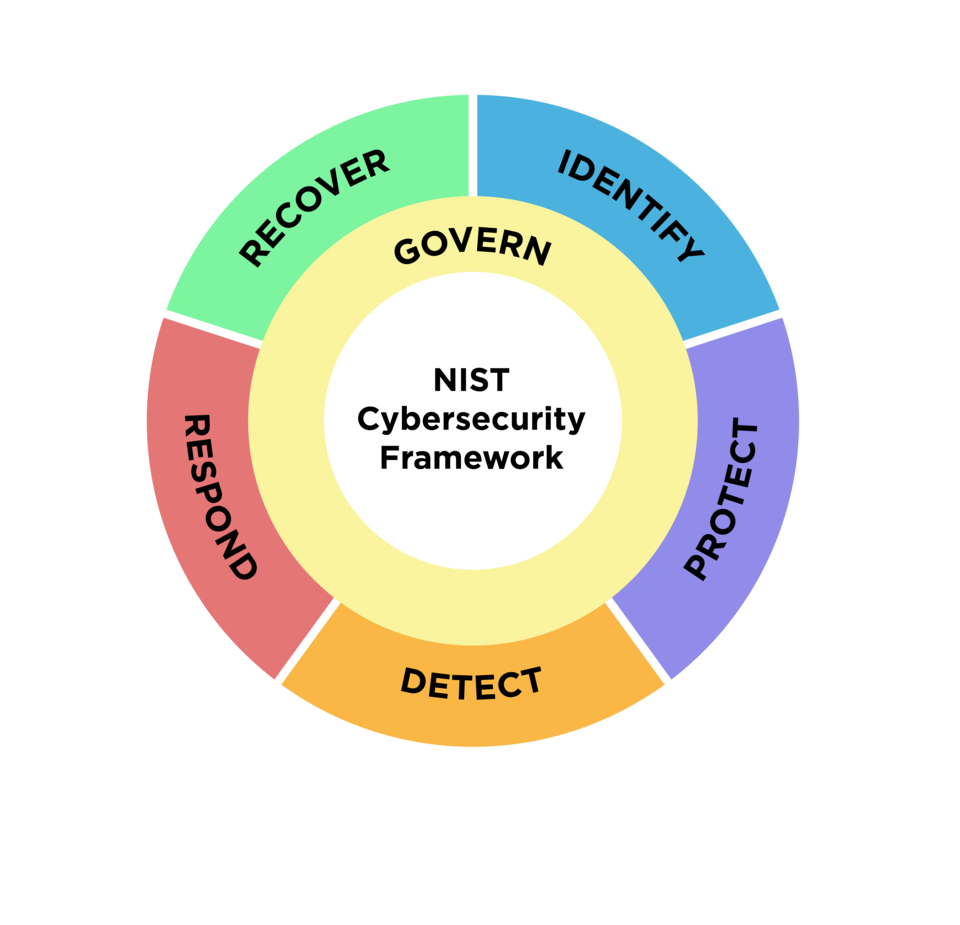
NIST Cybersecurity Framework is the most widely used framework in the US. It is built around six core functions: identify, protect, detect, respond, recover and govern. NIST is known for its flexibility and ease of understanding, which is key to effective communication with clients. Two MSPs can follow NIST and implement it in two entirely different ways. It is a great place to start building a security practice.
“The biggest advantage of NIST is that it’s fairly simple to understand and you can modify it based on your needs,” according to Varma.
CIS Critical Security Controls controls are self-described as a “prescriptive, prioritized, and simplified set of best practices that you can use to strengthen your cybersecurity posture.” They follow a specific action plan. This framework maps well with common security tools you likely recommend for clients. Familiarity with CIS helps technicians communicate the “what” and “why” to clients during implementation.
ISO 27001 is the internationally recognized standard for security management. It is best for clients who do business outside the US. This framework provides built-in credibility for your MSP because it requires a third-party certification for implementation. Being certified gives your MSP an advantage over competitors that are not.
SOC 2 is more of an audit standard than a framework. Many B2B businesses are now requiring it from their MSPs. Businesses want to verify that their vendors securely manage data. MSPs are an important vendor, and they want to make sure that you aren’t the weak link in their security.
In some cases, cyber insurance companies are tightening requirements, so without SOC 2 certification, your MSP could risk increasing their premiums or losing their coverage. Becoming SOC 2 compliant demonstrates to your clients that you are willing to invest in their security and pass a third-party audit.
Cybersecurity frameworks present an opportunity for growth
To get started advising your clients on cybersecurity frameworks, start by identifying which frameworks align with your client base industry, risk factors and business needs. From there, invest in understanding the framework well enough that you can advise your clients on implementation.
If you are uncertain where to begin, NIST is a solid place to start due to its accessibility and adaptability. For more complicated frameworks, such as SOC 2 or ISO 27001, consider partnering with an outside consultant to build your team’s knowledge base and experience. Building this expertise allows your team to confidently deploy the framework for your clients.
When your team implements a cybersecurity framework, new opportunities abound for your clients. Not only will they be compliant with their industry regulations, but it will also open doors to new markets, allowing them to grow.
The goal is to be seen not just as a vendor, but as a trusted advisor.
To learn more about how cybersecurity is changing for MSPs, check out our article discussing cybersecurity and AI, Former CISA Director Urges Cybersecurity Professionals: Shape AI Before It Shapes Us.

Power Your MSP Success with the Kaseya Community
Get fast answers, share product ideas, access exclusive resources, stay current on Kaseya product innovations, and connect with MSP peers.
2026 Kaseya State of the MSP Report
Get 2026 MSP insights from 1,000 plus providers and learn how to grow revenue, adapt to market pressure, and stay competitive.

Get More MSP Insights
Join 50,000+ MSP professionals receiving expert insights, best practices, and industry trends.